
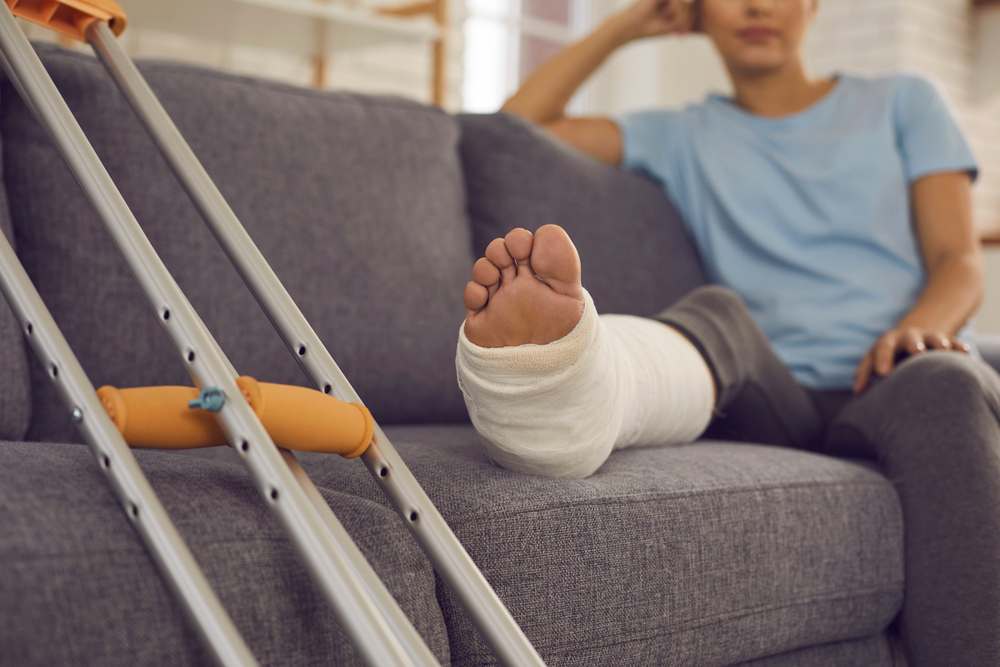
If you’re seeking information on how to recover after a car accident or trying to understand the car accident recovery process, this guide is for you. In 2025 alone, over 600,000 people were involved in car accidents in Texas, sustaining injuries ranging from minor scrapes to life-threatening conditions. The good news? With the right approach to car accident recovery, you can heal faster and regain your strength.
This car accident recovery guide is designed to help you navigate the healing process after an auto accident, offering actionable advice for every stage of recovery. It details everything you need to know about healing after a car wreck, from the immediate steps to take at the scene to long-term strategies for regaining your health and well-being.
No matter the severity of your injuries, recovery is possible—and with the right approach, you can reclaim your health and get back to living your life!
Common Car Accident Injuries & What Recovery Looks Like
Car accident injuries can range from mild soft tissue strain to more complex conditions like fractures, concussions, or spinal injuries. Each type of injury follows a different recovery timeline, which is why understanding your diagnosis is key to setting realistic expectations and planning your care.
Learn about the most common car accident injuries our medical specialists treat in this video.
You can also explore a full breakdown of symptoms and treatments in our guide to common car accident injuries.
How Long Does It Take To Recover After A Car Accident?
The amount of time required for recovery after experiencing an injury during a car accident will depend on many factors. The questions below are some examples of factors to consider. For the most common injuries sustained in car accidents, like broken bones, severe bruising, concussions, and whiplash, recovery can take anywhere from 6 to 8 weeks.
Ask yourself:
- How severe was the car accident and the resulting injury or injuries?
- How old are you, and what was your health generally like prior to the accident?
- Do you have any underlying conditions that could complicate your recovery?
- How soon after the injury did you seek medical attention?
- How faithfully are you practicing the techniques and exercises recommended to you by a personal injury doctor or chiropractor?
Here are some general recovery timelines for common car accident injuries:
| Injury Type | Recovery Timeline |
| Whiplash | Mild: 2–6 weeks Severe: 3–6 months |
| Muscle strains & sprains | 2–8 weeks |
| Broken bones (simple fracture) | 4-12 weeks |
| Herniated disc | 4–12 weeks – at times, forever |
| Concussion (mild TBI) | 2–6 weeks |
| Soft tissue injuries | 2-12 weeks and can vary significantly |
| Traumatic Brain Injury (moderate/severe) | 3+ months to years |
| Spinal cord injury: | Varies significantly; ongoing care |
Remember: Your personal recovery timeline depends on the factors listed above. A car accident doctor at ProCare Injury Specialists can give you a more accurate prognosis after evaluation.
Step 1: What to Do Immediately After a Car Accident

Report the Accident and Document the Scene
- Call 911 and ensure a police report is filed (this is essential for insurance claims)
- Exchange insurance and contact information with the other driver
- Photograph the accident scene, vehicle damage, and any visible injuries before vehicles are moved
- Collect witness names and phone numbers
- Write down details while fresh: time, location, weather, sequence of events
- Keep copies of all medical records, receipts, and bills from this point forward — these support your recovery claim
Get Emergency Treatment After a Car Accident
Many people can walk away from car accidents relatively unharmed or with minor injuries that will heal in their own time. There are, however, often cases where emergency treatment is required. In fact, there are around 4 million car accident-related visits to the emergency room each year.
Emergency rooms can be crowded, and finite resources are available, so it’s essential to save that option for true emergencies. In general, you can determine whether there is a true emergency by considering whether delay in treatment will result in significant harm. For example, you can visit an urgent care facility to care for a laceration or a broken finger.
On the other hand, you will need emergency care if you have experienced:
- Any trauma to the head or abdomen,
- Are experiencing a sudden headache,
- Suspect you may have broken a major bone, like an arm or leg,
- Feel numbness in some part of your body,
- Or, are having trouble breathing.
At the site of the accident, this could mean first aid or CPR from someone who is trained, as well as care from an Emergency Medical Technician (EMT) in an ambulance on the way to the hospital.
Manage Pain at Home: Ice, Heat & Rest in the First 72 Hours
After reporting the accident and getting emergency care, the next step is managing pain and inflammation at home. The first 72 hours are critical here, as your body begins its initial healing response and symptoms like swelling, stiffness, and soreness often peak.
The RICE method is particularly helpful, as it helps you use a combination of ice, heat, and rest to help reduce discomfort while you prepare for follow-up care. Here’s how it works:
Ice (first 48–72 hours): Ice reduces acute inflammation and numbs pain. Apply ice wrapped in a cloth to injured areas for 10–15 minutes at a time. Do not apply ice directly to skin. Repeat every 2–3 hours as needed.
Heat (after 72 hours): Once acute inflammation subsides, gentle heat (warm compress or heating pad on low) can help relax tight muscles and improve blood flow. Do not use heat on a fresh injury. This will increase swelling.
Rest: Treat the first 48 hours like post-surgery recovery. Limit physical exertion. Avoid lifting anything over 5–10 lbs.
Remember: Pain management at home is a bridge to professional care. See a car accident doctor within 24–72 hours, regardless of how you feel.
Step 2: Seek Medical Evaluation (Even If You Feel Fine)
After the initial shock of a car accident, you may find that you feel physically fine. However, even if you don’t immediately suspect an injury, there is a chance that the accident could have caused a condition that will not make itself known for hours or even days. This is partly due to the body’s natural release of hormones as a reaction to stress, which helps limit pain sensations. For this reason, it is important to visit a medical professional as soon as possible after a car accident occurs, which is doubly true if you are experiencing any kind of new pain or discomfort.
At ProCare, this process begins with our Medical Intake team. During your intake evaluation, a medical provider will review your condition before, during, and after the incident; be as thorough as possible, since clarity helps the team make the most informed decisions. They will examine areas of pain or concern and may:
Depending on the diagnosis, the doctor may:
- Order testing and imaging.
- Prescribe initial pain medication, including NSAIDs or other non-narcotic medications, to manage discomfort while your treatment plan is established.
- Suggest home care in the interim.
- Refer you to chiropractic care, active rehab, pain management, or specialist services based on your injuries.
Step 3: Build Your Accident Recovery Plan
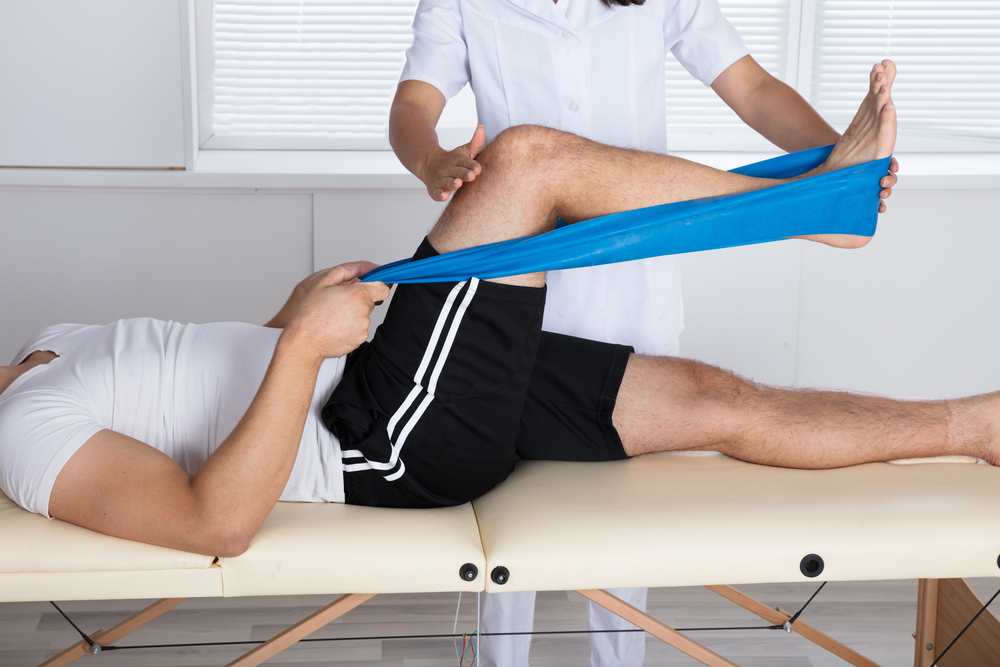
Recovering from a car accident can feel overwhelming, but having a clear recovery plan makes all the difference. Start by working with experienced car accident doctors who can guide you through your options and recommend treatments that fit your needs. Chiropractic care and active rehab can help you regain strength and ease pain, while medications might provide relief as your body heals. In more serious cases, surgery could be required to address major injuries.
In the next few sections, we’ll cover all of these treatment options and explain how they can support your recovery, step by step.
Learn what doctor to see after a car crash by reading our blog post here.
Chiropractic Care After a Car Accident
Chiropractic care can play an important role in recovering from a car accident. The impact of a crash can shift your body out of alignment, leading to pain, stiffness, and reduced mobility. Chiropractors are trained to identify these misalignments and use targeted adjustments to restore balance and support healing.
This type of care can help reduce inflammation, improve range of motion, and minimize scar tissue as your body recovers. It also offers a non-invasive approach to pain management, which may reduce the need for medication or surgery. Starting care soon after an accident and continuing consistently can support a smoother recovery.
So, why should you visit a chiropractor after a car accident?
- Chiropractors are adept at identifying injuries. Sometimes, even a good doctor can miss the signs of an injury. Chiropractors are trained to identify injuries that cause spine misalignment, like whiplash or other common car accident-related injuries.
- Your pain will be taken seriously. It can be difficult to get adequate care. Chiropractors are empathetic and will help you deal with pain that other medical professionals may not.
- You can manage your pain without medication or other invasive treatments. Although these treatments are sometimes necessary, chiropractic care lowers the frequency or length of medication use and can even prevent the need for surgery.
- You will develop less scar tissue. The way chiropractors manipulate your tissues helps release the buildup of collagen so that scars heal more smoothly.
- Less inflammation means less pain. Chiropractors are trained to help your body flush out inflammatory cells more often so that you experience less pain.
- Chiropractors help you restore your range of motion. This important step towards recovery means that you’ll be able to move the way you’re used to so that you can get back to your amazing life.
Find a chiropractor in Texas near you
Active Rehabilitation After a Car Accident
Given fears around surgery and habit-forming medication, it’s no surprise that many people look for other options to aid their recovery after suffering an injury due to a car accident. One of the best things you can do as part of your healing process is to work with a specialist in active rehabilitation. Typically paired with chiropractic care, active rehabilitation can benefit anyone, regardless of ability or recovery status, but it will be particularly helpful for those who have suffered a recent injury.
Doctors trained in active rehab support your return to health with targeted, individualized exercises and techniques. Their practices are minimally invasive but extremely effective, as long as you adhere to your plan and continue doing the recommended exercises at home on the schedule given to you by your specialist.
When you work with a provider who specializes in active rehab such as a chiropractor, you will likely be working towards several goals at once: to strengthen the areas that were affected in the car accident, increase strength in weak areas to prevent recurring injury, and increase mobility and flexibility. Some of the things they might do are:
- Massage the affected area to relieve pain and tension or encourage increased blood flow.
- Manipulation of certain parts of your body to help reduce inflammation and scarring, increase the creation of new tissues, and mobilize joints that you have kept immobilized as part of your treatment.
- Customize exercises to target specific areas of the body or specific needs, like shoulder pain or an altered gait.
- Train your posture to help strengthen your core and prevent further injury to the trunk of your body.
Medication After a Car Accident
Managing pain in the early stages of recovery often starts before you’ve even seen a chiropractor or pain management specialist. At ProCare, our Medical Intake team evaluates your condition first and may prescribe medication to address immediate discomfort while your broader treatment plan takes shape.
Painkillers and Anti-Inflammatory Medications
For most patients, the first line of treatment is over-the-counter pain relief. Non-steroidal anti-inflammatory drugs, or NSAIDs, including ibuprofen, aspirin, and acetaminophen, are commonly recommended to manage headaches, muscle soreness, and general post-accident pain. When taken as directed, NSAIDs are safe and non-habit-forming.
When over-the-counter options aren’t enough, a medical provider will review your history and current medications before prescribing something stronger. Be thorough and honest during this conversation, including about any substances you use, as certain combinations can cause serious interactions.
Opioids may be prescribed in some cases where pain is significant. While effective, they carry risks including habit formation, physical dependence, and tolerance buildup, which can complicate recovery over time and increase the likelihood of addiction.
Antibiotics
Open wounds, fractures, and crushing injuries can leave the body vulnerable to infection. If you have injuries of this type, antibiotics may be prescribed as a precaution. Watch for signs of infection (fever, redness, or tenderness around the injury site) and report them to your care team promptly.
Antidepressants
Around 45% of people who have been in a car accident begin taking antidepressants as part of their recovery. If anxiety or depression becomes debilitating, medication may be recommended alongside support from ProCare’s counseling team.
Pain Management: Procedures and Specialist Care
Once your initial evaluation and medication needs are addressed, patients with more complex or persistent pain may be referred to ProCare’s pain management specialists. At this stage, the focus shifts from immediate symptom relief to targeted interventional care. This can include procedures such as:
- Epidural Steroid Injections (ESIs): Used to reduce inflammation around irritated spinal nerves, particularly effective for radiating back or neck pain.
- Occipital Nerve Blocks (ONBs): Injections that target the nerves at the base of the skull, commonly used for post-accident headaches and cervicogenic pain.
- Non-narcotic prescription medications tailored to your specific injury and pain profile.
Pain management works in coordination with your chiropractic and rehab care, and not as a replacement for it.
Orthopedic & Neurological Care to Help with Car Accident Recovery
Not every car accident injury resolves with chiropractic care, pain management, and rehab alone. Patients dealing with complex fractures, traumatic brain injuries, or nerve damage may need orthopedic and neurological specialists to provide the next level of care.
Orthopedics
Orthopedic doctors focus on bone fractures, joint injuries, and musculoskeletal trauma, helping patients recover through both surgical and non-surgical approaches depending on severity.
Neurology
Neurologists address conditions involving the brain and nervous system, including concussions, traumatic brain injuries, nerve damage, and persistent headaches or cognitive symptoms that may develop after a crash.
At ProCare Injury Specialists, care is coordinated across these specialties so patients do not need to manage multiple providers on their own. This integrated approach helps ensure a more accurate diagnosis, streamlined treatment plan, and better long-term outcomes. If you’re confused about whether you should see a neurologist or an orthopedic doctor, this guide can help you figure out the best option for you.
Surgery After a Car Accident
While most car accident injuries heal without surgical intervention, the following conditions may require surgery depending on severity:
- Internal injuries/bleeding: Organ damage or internal bleeding from rib fractures or crushing impact
- Complex bone fractures: Bones shattered in multiple places requiring hardware (plates, rods, screws)
- Traumatic brain injuries: Severe TBIs causing brain swelling or hemorrhage
- Spinal injuries: Herniated discs or vertebral damage causing neurological deficits
- Severe soft tissue tears: Tendon or ligament ruptures that don’t respond to conservative care
- Cosmetic/reconstructive needs: Burns, scarring, or disfigurement from the crash
Your care team will evaluate whether conservative treatment is sufficient or if surgical referral is recommended.
Step 4: Nutrition, Hydration & Healthy Habits for Faster Recovery
Combining healthy habits, good nutrition, and exercise together with medical interventions like medicine can determine whether your auto accident recovery process is quick and complete or slow and ongoing.
In the next few sections, we will outline our recommendations and advice for how you can create these healthy habits and maintain them so you can heal faster!
Best Foods to Eat to Recover Faster

Nutrition is an often overlooked part of a quick recovery, and many post-accident treatment plans fail to address how maintaining a healthy diet is one of the best remedies for any injury. In fact, research suggests that nutrition may have the power to optimize the healing process, allowing you to restore your strength and get back to your normal life more quickly. There are several important areas of nutrition you’ll want to pay attention to as your recover. Those include:
- Proteins
- Fatty Acids
- Nutrients such as vitamin C, zinc, and more.
1. Proteins
Some foods can benefit anyone with an injury. Healing from physical trauma requires an increase in caloric intake due to the energy that is used. Therefore, high-quality proteins are necessary for anyone recovering from a car accident injury. Eggs, meat, dairy, and fish are the best ways to get high-quality proteins into your diet. The best choices are:
- Poultry like chicken or turkey
- Fish
- Dairy products, including milk and yogurt
- Eggs
- Lean beef and red meat
Some foods provide certain benefits depending on the kind of injury you have sustained. For example, injuries to the bone require specific nutrients that are not necessarily important for muscle injuries.
2. Omega-3 Fatty Acids
For pain management, try increasing your omega-3 fatty acid intake. Omega-3s help reduce inflammation, which is the process through which you sense pain. Try:
- Fish
- Nuts
- Flaxseed
- Chia seeds
3. Important Vitamins and Minerals
For muscle injuries, zinc and creatine are both necessary for proper healing. Without zinc, recovery may take much longer, while creatine restores muscle mass. Zinc can be found in fish, seeds, nuts, and whole grains. Creatine is present in meat, poultry, and fish.
For soft tissue injuries, make sure to eat fruits and vegetables high in vitamin C. This nutrient is a key part of forming collagen, which allows wounds to heal. (Collagen is the material that scars are made of.) Look for these vitamin C-rich foods in your produce aisle:
- Citrus fruits (oranges, grapefruits, and lemons)
- Bell peppers, particularly red, yellow, and orange
- Tomatoes
- Kiwi
- Dark leafy greens (arugula, bok choy, kale, mustard greens, etc.)
- Berries
Broken bones require magnesium, silicon, vitamin K, and of course, calcium. Each of these vitamins is found in supplements, but you can also increase your intake by eating:
- Nuts
- Legumes
- Dairy
- Carrots
- Whole Grains
- Leafy Greens
Foods and Substances to Avoid During Car Accident Recovery
What you eat can either support healing or slow it down, so it is important to limit foods and substances that may increase inflammation or interfere with recovery. These include:
- Alcohol: Can disrupt your body’s healing response, reduce sleep quality, and negatively interact with pain medications.
Avoid: beer, wine, liquor, cocktails, hard seltzers - Refined sugar and highly processed foods: These can increase inflammation and slow tissue repair.
Avoid: candy, pastries, packaged snacks, sugary cereals, fast food - Soda and high-fructose corn syrup: May interfere with collagen production, which is essential for soft tissue healing.
Avoid: regular soda, sweetened fruit drinks, energy drinks, packaged desserts with HFCS - High-sodium foods: Excess sodium can lead to water retention and worsen swelling in injured areas.
Avoid: chips, canned soups, processed meats, frozen meals, fast food - Fried foods and trans fats: These promote inflammation and increase oxidative stress on healing tissues.
Avoid: fried chicken, french fries, doughnuts, margarine, packaged baked goods
How Hydration Helps with Car Accident Recovery
Your body is made up of 60% water, and without water to do its many jobs, you will begin to feel sick, weak, and exhausted. This is even more true when recovering from an injury due to a car accident. Hydration is a vital factor in your body’s natural healing response. Each step of recovery requires water, which must be constantly replaced by drinking fluids.
When you sustain an injury, your immune system floods your body with inflammatory cells, which help jumpstart your healing process. While inflammation plays a role, too much can cause discomfort and pain. Proper hydration ensures that inflammation is flushed out more quickly, reducing your pain levels.
After the inflammatory phase, wounds enter the proliferative phase. That is when the tissues begin to rebuild with collagen. Sometimes, that means restructuring your blood vessels or even your nerves. Collagen is mostly made up of water, and moisture is important for the elasticity, density, and strength of the new tissues.
As scar tissues heal, you will feel more like your old self. The new tissue must seamlessly connect with your older tissues, requiring collagen. The maturation phase helps to smooth over the edges of those connections, and better hydration means less scarring and more well-integrated tissues.
Ideas around the “best” level of water consumption have changed as we have become more knowledgeable about its role in the optimal performance of human bodies. A good rule of thumb is to drink between half an ounce and an ounce for each pound you weigh. Therefore, if you weigh 140 pounds, your ideal goal would be to drink between 70 and 140 ounces of water each day. The higher end of that range should be your goal while recovering from an injury.
Sleep: Your Body’s Most Powerful Recovery Tool
Sleep is one of the most important—and often overlooked—parts of car accident recovery. Poor or inconsistent sleep has been linked to longer recovery timelines and a higher risk of chronic pain, making rest a critical part of any recovery plan.
For most patients, aiming for 8–9 hours of sleep per night during active recovery can significantly improve healing outcomes. During sleep, blood flow to injured muscles and tissues increases, which supports repair and reduces soreness. At the same time, stress hormones like cortisol decrease, helping lower inflammation and improve overall recovery.
Deep sleep is also when the body releases growth hormone, which plays a direct role in rebuilding muscle, repairing tissue, and restoring strength.
Sleep Position Matters
For neck or whiplash injuries, using a cervical support pillow can help maintain proper alignment and reduce morning stiffness. Avoid sleeping on your stomach, as it can strain the neck and spine.
Step 5: Stay Active the Right Way During Car Accident Recovery
Is Too Much Rest a Bad Thing?
If you’ve experienced injuries like these from a car accident, your first impulse, after visiting a doctor to diagnose and treat any problems, might be to take it easy for a while. That’s a great idea… to an extent.
People used to believe that if you experienced an injury, you needed to rest, rest, rest. However, recent research suggests that too much rest can actually prolong the recovery phase and make it more difficult for you to rehabilitate. This is especially true for injuries to muscles, soft tissues, and bones.
Most doctors recommend at least 48 hours of rest after a car accident. Then, depending on the severity of your injury, you may be cleared to slowly reintegrate daily exercise. Simple exercises and stretches are the best bet for a safe healing journey.
What Stretches Can I Do To Aid Recovery After A Car Accident?
Stretching is one of the most beneficial forms of activity. It can increase flexibility, improve your range of motion, prevent injury, and help you with attention and focus. And those are just some things a good stretching routine can do before a car accident.
When you do get into a motor vehicle accident, even if you walk away relatively unharmed, your body undergoes a lot of stress. Your shoulders and back may tense up, and other parts of your body may experience stiffness if you have suffered some form of injury. If there is little chance that you have a serious injury and your doctor has cleared you to return to normal activity but you’re still feeling “off,” you might be wondering how to deal with sore muscles and stiffness as you recover.
Research suggests that during the healing process, stretching promotes the rebuilding of new tissues (myogenesis) while reducing scarring (fibrosis). Moreover, stretching can help limit the pain and restore strength and flexibility more quickly. Stretching is also a key part of rehabilitation which can help you address specific weaknesses and injuries with the help of an expert.
After your car accident, your doctor may not be concerned that you have any specific problems, but soreness can still be an issue for you. On our YouTube channel you’ll find videos with stretches that can release the buildup of tension you’ve been experiencing and can help make it easier for you to go about your day.
Important Note: Your neck, shoulders, and back are probably a significant pain point after your accident. You may have experienced whiplash – in which case, you should only practice these exercises under supervision from a medical professional – or you may just be carrying tension in this area due to the stress of having just experienced a crash. Try the stretches below for three sets of ten seconds each, twice a day, to help release the tension.
Activity Restrictions: What to Avoid and When
While some exercise is important, you should also know what to avoid during the initial phases of your recovery.
In the first one to two weeks after a car accident, avoid lifting anything over 5 to 10 pounds, as even minor injuries can be aggravated by added strain. You should also avoid high impact or contact sports until your provider confirms it is safe, even if your pain has improved. If you have neck or shoulder injuries that limit movement, avoid driving and consult your provider before getting back behind the wheel. When in doubt, always check with your ProCare provider before resuming any activity.
Step 6: Mental Health Recovery After a Car Accident

The physical injuries resulting from a car crash can take precedence because of their urgency. But regardless of the severity of the accident you experienced, it’s important to make time to recognize and manage the effects on your mental health as well.
Injuries have a significant impact on mental well-being. Car accidents are traumatic experiences. Any time you go through something traumatic, it can take a mental and emotional toll. If you let it simmer for too long without addressing it, those feelings can transform into a much bigger problem that takes up precious time and energy.
Seeking Professional Help After A Car Accident
Sometimes, a car accident leaves an indelible mark on your mental and emotional wellness, and the feelings you experience run deep. There are times when professional support is necessary to help you regain your equilibrium.
PTSD After a Car Accident
Around half of all survivors of car accidents develop Post-Traumatic Stress Disorder, otherwise known as PTSD. The likelihood of this diagnosis increases when a party involved dies or suffers a severe injury. Age, gender, and the status of your mental health prior to the accident can also have an impact on whether you develop PTSD.
Psychiatrists use a text known as the DSM-V to diagnose mental and emotional disorders. Your doctor will look for the following behaviors to determine whether you may be experiencing PTSD.
- Flashbacks or short periods where you feel like you are re-experiencing the incident
- Avoidance of specific things, like crowds, leaving your house, or something related to the accident
- Increased arousal of the nervous system and physiological reactivity – one example is being much more easily startled than you used to be
- Significant and prolonged changes in mood
- Changes in cognition affecting attention, focus, and memory
The good news is that the earlier you seek professional help for PTSD, the better your outcome will be. It’s also very unlikely that the symptoms will last forever. Just like a physical injury, it is indeed possible to get better.
Anxiety Disorders After a Car Accident
PTSD is just one kind of anxiety disorder, but there are several others that can develop as a result of a car crash. One such disorder commonly seen in car accident survivors is Generalized Anxiety Disorder (GAD).
It can be hard to recognize GAD because some level of anxiety is normal for everyone. It frequently happens around certain worry-inducing topics, like relationships or money. But persistent worry that affects your everyday life is debilitating that requires professional help.
Anxiety is important to address, especially if it affects the way you drive. Although it may seem like hypervigilance is a good thing to have in your toolbelt as a driver, research shows that heightened anxiety leads to worse driving. If your anxiety continues unchecked, it may endanger you further and increase your risk of being in another crash.
Depression After a Car Accident
Like anxiety, brief periods of depression are normal. Consider what happens after a break-up or the way it can feel difficult to readjust to everyday life after a vacation. Up to two-thirds of people who have experienced a car accident experience depression in the aftermath.
Most people recover eventually and begin to feel the way they once did. But many people develop severe depression that has a major impact on their quality of life. Sometimes, severe depression leads to thoughts of suicide.
You are particularly at risk if there is a history of severe depression in your family, if you have a limited social support network, and if you have experienced suicidality before or if there is a family history of suicide. You are also twice as likely to develop severe depression if you are a woman.
Knowing the warning signs of depression can help you recognize when it’s time to seek professional help from a psychiatrist or psychologist for your mental health:
- Anhedonia, or the lack of interest in things that usually bring you joy
- Guilt or feelings of worthlessness or irrelevance
- Increased fatigue and unexplained aches and pains
- Insomnia
- Too much sleep
- Decreased appetite
- Unexplained weight loss or weight gain
Treatment for depression has come a long way. Many people take medication daily to manage their symptoms, and other experimental forms of medicine have grown more popular in recent years. Visiting a therapist can help, as can staying active or building a stronger support network.
Fear of Driving and Returning to the Road
Feeling anxious about driving or even riding in a vehicle after a car accident is very common and completely normal. For many people, this fear fades within a few weeks as confidence returns. However, for some, it can persist and begin to interfere with daily life.
It may be time to seek professional support if you find yourself avoiding driving for weeks, experiencing panic attacks in a car, refusing to be a passenger, or going out of your way to avoid the crash location. Evidence-based treatments such as gradual exposure therapy and cognitive behavioral therapy can help rebuild confidence and reduce anxiety over time.
Our counselors can support you through this process alongside your physical recovery, helping you return to the road safely and comfortably.
Building Your Support Network
When something traumatic happens, it can feel isolating. You may struggle to open up to people you trust for fear of judgment or some other worry. It can be hard to ignore the urge to keep quiet and not burden anyone else with your feelings. But your loved ones can help!
After all, social support is one of the most important factors for preventing long-term emotional disorders. Letting your friends and family in can be a major help in the recovery of your mental health after a car accident. Read below for a few simple ways to get started.
1. Share a meal
There’s a reason so many people draw a connection between food and love. Sharing food to express positive emotions about a person is one of the earliest forms of human social connection. Sharing food can regulate the nervous system for both the person providing the food and the person who eats it. By allowing a loved one to make you dinner or take you out for a meal, you can build a deeper relationship that results in more positive feelings all around.
2. Ask for advice
It’s difficult to navigate a new situation on your own. The good news, it’s likely that someone in your support network has been through something similar. They may have a piece of practical advice – like the best lawyer to call or the most helpful chiropractor– or they may have a good idea for dealing with some of the emotional aftermath. If there’s something you don’t know but think could help you, ask a friend or a family member.
3. Do it in writing
If you struggle to have deep, personal conversations face-to-face, communication through email or text can help bridge the gap. Writing allows you to get down your words exactly the way you want them, and afterward, you’ll have a record of your conversation that you can go back to whenever you need it.
4. Find support groups
Support groups for car accident survivors connect you with others who genuinely understand what you’re going through. Sharing your experience with these individuals can reduce feelings of isolation and increase motivation. It is also a great source of practical advice from people who have been through a similar ordeal. Your ProCare counselor can help you find local or virtual support groups in Texas.
Taking Care of Your Mental Health After a Wreck
Ignoring your mental state and trying too quickly to go back to “normal” without taking time to rest may eventually make things worse. Therefore, it’s best to deal with your feelings after the car accident. Whatever emotions you may be having – guilt, embarrassment, sadness, anger, or anything else – you can take steps to process them so that you can begin healing your inner self as well as your physical body.
1. Journaling
Writing can be one of the best ways to manage difficult emotions. Getting everything out on paper can stop you from dwelling on an experience you’ve had, or it can help you organize a jumbled mess of feelings.
2. Exercise
Movement and exercise help by releasing endorphins, which create positive feelings. Regular exercise is associated with lessened negative emotion and fewer depressive episodes. Those benefits multiply when you engage in exercise in a social setting, like with a friend or in a class.
3. Take time off
Although it may feel like idle time will make you feel worse, allowing yourself some time to sit and think about what you’ve been through can make a difference in the long run. If you get into an accident while on your morning commute, plan to take the rest of the day off. If it happens later in the day, take the next day or two off. Healing takes time.
Step 7: Building a Daily Routine That Supports Your Recovery

A strong daily routine leaves room for regular hygiene, adequate nutrition, adequate sleep, time for loved ones, time to focus on hobbies or whatever may bring you joy, and, in the case of those recovering from car accident injuries, enough time to complete the exercises a doctor or chiropractor has assigned you.
Still, while it can be relatively simple to plan out a routine for yourself, it can be much harder to sustain that routine. Using tools that address problems ahead of time can ensure that you continue to follow your routine even if it gets interrupted or delayed for any reason. Here are some ways to make sure you stick to your routine:
1. Take baby steps.
Changing a routine all at once makes it much harder to keep up. Make small changes each day until you feel comfortable making bigger steps.
2. Track your progress.
Monitoring your progress towards your goals makes those goals easier to maintain. You can use an app that tracks daily habits, or you can use a chart or some other paper-and-pencil format.
3. Build in logical “if, then” scenarios.
If you go to the bathroom after breakfast, then you also brush your teeth. If you wear your gym shoes, then you drive to the gym. Connecting everyday events with things that will help you form good habits can make those habits last longer.
4. Allow yourself to fail.
Sometimes, making one mistake will cause people to give up altogether. There will be days when you don’t get to everything you want to do, and that’s okay. Remind yourself that tomorrow is another day, and try again.
Step 8: Insurance, Documentation & Your Car Accident Recovery Claim
Car accident recovery is not only physical—it also involves navigating insurance and, in some cases, legal processes. Taking the right steps early can help protect both your health and your claim.
Insurance Coverage — How ProCare Works With You
- PIP (Personal Injury Protection): Covers medical expenses regardless of who is at fault. This allows you to begin treatment immediately without waiting for claim resolution.
- MedPay: Similar to PIP, MedPay helps cover upfront medical costs so you can focus on recovery rather than out-of-pocket expenses.
- Third-party liability: If another driver is at fault, their insurance may cover your treatment costs. Proper documentation is essential in these cases.
ProCare accepts all of these coverage types and handles insurance coordination on your behalf, reducing administrative stress during recovery. Learn more about our billing and insurance policies.
When to Consult a Personal Injury Attorney
Navigating insurance after a car accident isn’t always as straightforward as you’d like. There are situations where having a personal injury attorney in your corner can make a significant difference in your outcome.
Consider consulting an attorney if:
- Fault is disputed. If the other party’s insurance company is pushing back on liability, an attorney can help protect your right to compensation.
- Your injuries are serious. Significant injuries, like spinal damage, TBI, or fractures, often result in larger claims, which insurers are more likely to contest or undervalue.
- You receive a settlement offer before completing treatment. This is one of the most important warning signs. A settlement offered early may not account for the full cost of your recovery, and once you accept, you typically cannot go back for more.
The team at ProCare Injury Specialists understands the intersection of injury treatment and personal injury claims. We document your recovery thoroughly so that if you do work with an attorney, they have exactly what they need to advocate for you.
Why Documentation Matters
Consistent treatment is crucial for your injury claim. Every medical record, from doctor visits to treatment sessions and receipts, documents your recovery. Insurance companies often scrutinize records for “gaps in care” to challenge the severity of injuries or lower settlement offers. Maintaining a clear, continuous treatment timeline with ProCare supports your case and demonstrates that you are actively working toward recovery.
Learn How We Can Help With Your Car Accident Recovery
Recovering from a car accident can be a challenging journey, but with the right steps, resources, and professional support, you can regain your health and return to your daily life. Whether you’re in Austin, San Antonio, or Central Texas, our clinics are here to help you every step of the way.
Our pain management and car accident chiropractic specialists provide personalized care to address your injuries and accelerate your recovery process. From tailored treatment plans to compassionate support, we’re committed to helping you heal faster and feel better.
Don’t let car accident injuries hold you back. From Round Rock to Kyle and now Lubbock, Temple, Corpus Christi, and Manor, our chiropractic clinics are here to help you every step of the way. Schedule an appointment today or visit our Locations page to find a clinic near you. Let us guide you toward a healthier, pain-free future!
Frequently Asked Questions: Car Accident Recovery
1. How many days should you rest after a car accident?
Most providers recommend at least 24–48 hours of rest immediately after a car accident. After that, gradual movement and guided activity are typically encouraged to prevent stiffness and support healing. The exact timeline depends on the severity of your injuries and your provider’s recommendations.
2. How long does it take to feel better after a car accident?
Recovery timelines vary widely. Minor injuries may improve within a few weeks, while more serious conditions can take several months or longer. Factors such as injury type, overall health, and how quickly treatment begins all influence how soon you start to feel better.
3. What are the four things you should avoid immediately after injury?
Avoid delaying medical care, ignoring symptoms, returning to strenuous activity too soon, and skipping follow-up treatment. These mistakes can worsen injuries or prolong recovery. Early evaluation and consistent care are key to preventing complications and supporting a smoother healing process.
4. What is the fastest way to recover from a car accident?
The fastest recovery typically involves early medical evaluation, following a structured treatment plan, staying moderately active, and maintaining good sleep and nutrition. Consistency matters—patients who attend all appointments and follow provider guidance tend to recover more efficiently.
5. Will insurance cover car accident recovery treatment?
In many cases, yes. Coverage may come from PIP, MedPay, or the at-fault driver’s insurance. The specifics depend on your policy and the circumstances of the accident. ProCare accepts all three types and helps coordinate insurance to simplify the process.
6. When can I return to work after a car accident?
Return-to-work timing depends on your injuries and job demands. Some patients return within days, while others require weeks of recovery. Your provider will evaluate your condition and recommend a safe timeline, including any necessary activity modifications or restrictions.
7. Do I need a lawyer for car accident recovery?
Not every case requires a lawyer, but legal support can be helpful if fault is disputed, injuries are severe, or settlement offers seem too low. An attorney can help protect your rights, and your medical documentation will be critical to supporting your claim.
Looking for more resources to help you after a car accident? Explore our other guides here: