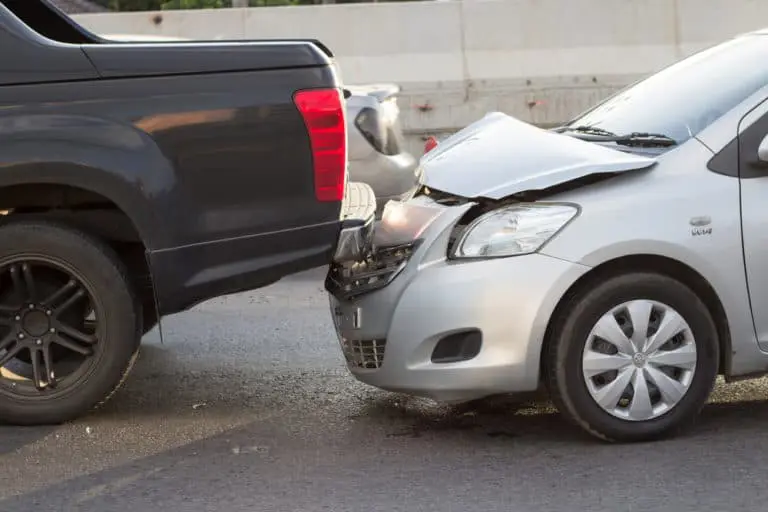
Key Takeaways
- Per the latest car accident statistics for Texas, Dallas recorded 24,677 crashes in 2025, while Fort Worth recorded 15,680, with speeding, distracted driving, and impaired driving contributing to many collisions across the region.
- In Dallas, just 7% of streets account for 62% of crashes resulting in death or severe injury, which is why the city focuses its Vision Zero safety efforts on its High Injury Network.
- After a wreck, first make sure you’re safe and check for injuries, then exchange information, document the scene, and get the appropriate crash report details.
- Some crashes can leave drivers and passengers with neck and back injuries, concussions, fractures, or symptoms that only become noticeable later.
- Seek medical care for injuries or developing symptoms, keep track of your records, and follow the treatment recommended for your injuries as you recover.
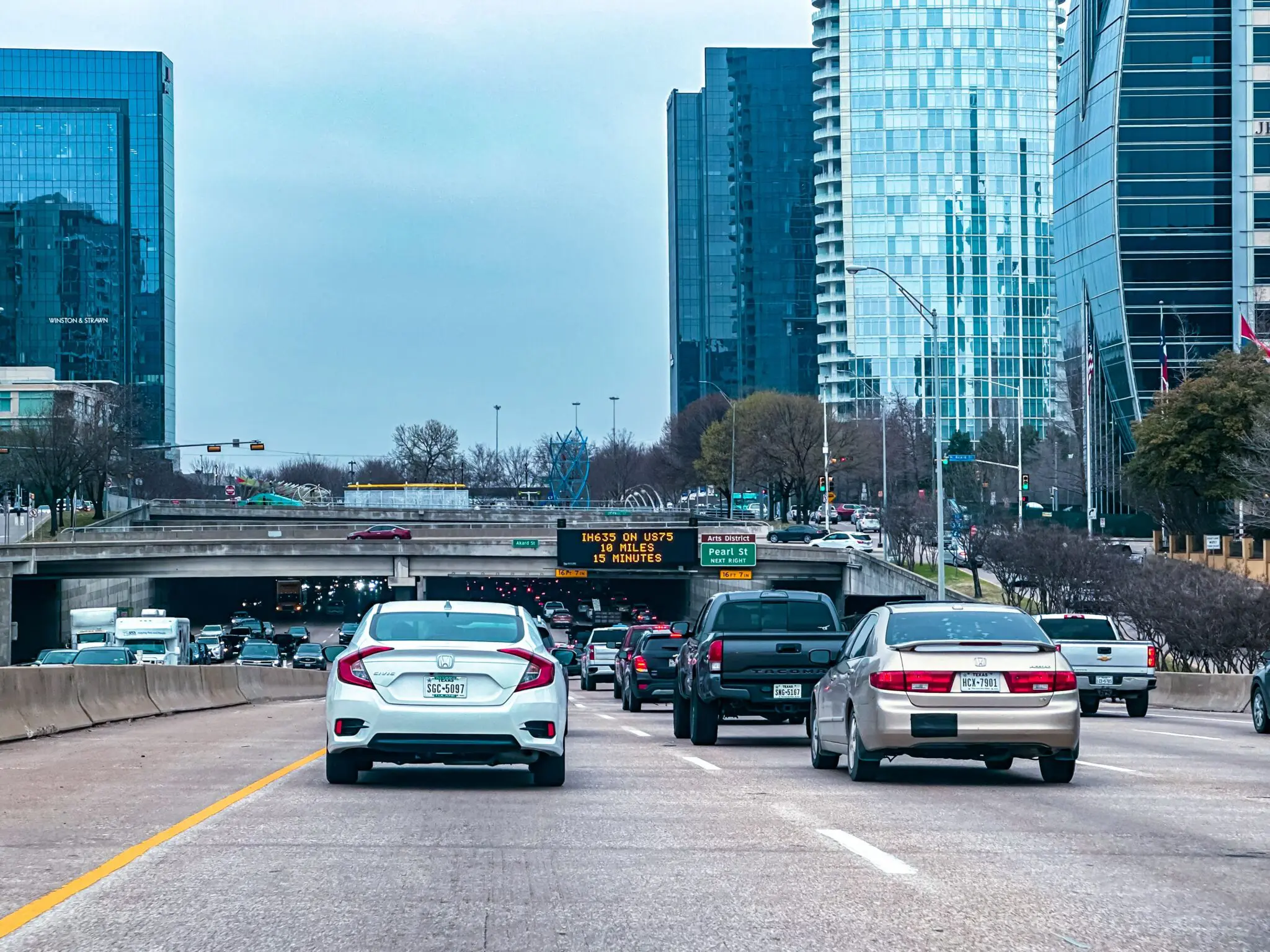
Anyone who drives regularly in Dallas-Fort Worth knows that a simple day of work, errands, and appointments can take you all over the Metroplex. Multiply that routine across millions of residents, and DFW has a tremendous amount of traffic moving through its roads every day, alongside cyclists and pedestrians. Unfortunately, crashes are also a reality on DFW roads.
Distracted driving, speeding, impaired driving, and other unsafe behaviors are some of the most common causes of collisions across the region throughout the year. The latest Dallas car accident statistics report 691 fatal crashes and 734 roadway deaths across the 12-county DFW metropolitan area in 2025.
Although that’s a 14% decline in both figures compared with 2023, many crashes still leave drivers and passengers injured. That’s why it’s important to know what to do after a crash so you can get the right care without unnecessary delays.
This guide discusses the latest Dallas-Fort Worth crash data available in 2026, and where and why serious crashes happen. It also explains common car accident injuries, the symptoms to watch for, and what to do immediately after a wreck and in the days that follow.
Dallas-Fort Worth Car Accident Statistics: What the Latest Data Shows
The latest Dallas car accident statistics from the Texas Department of Transportation (TxDOT) categorize crashes by location and severity, including fatal crashes, suspected serious injuries, minor injuries, and possible injuries.
The sections below take a closer look at how Dallas and Fort Worth compare and how those numbers differ at the county level.
How Many Car Accidents Happen in Dallas and Fort Worth?
More than 40,000 crashes were reported across Dallas and Fort Worth in 2025, according to the Texas Department of Transportation (TxDOT). Dallas saw 24,677 crashes during the year, 165 of which were fatal, resulting in 172 deaths. That said the toll extended far beyond those fatalities, with 1,065 suspected serious injuries, 5,158 suspected minor injuries, and 7,024 possible injuries reported across the city.
Fort Worth recorded 15,680 crashes during the same year, including 109 fatal crashes and 112 fatalities. Thousands more people were injured, including 562 who suffered suspected serious injuries, 3,568 with suspected minor injuries, and 3,616 with possible injuries.
Dallas County and Tarrant County Crash Statistics
Dallas and Tarrant are the two largest counties in the DFW Metroplex, and both recorded tens of thousands of crashes in 2025.
Dallas County recorded 43,946 crashes in 2025, more than 13,000 above Tarrant County’s total of 30,433. 258 of these crashes were fatal in Dallas County, and resulted in 274 deaths. In comparison, Tarrant County recorded 186 fatal crashes and 190 deaths.
Dallas County also recorded more suspected serious injuries, with 1,664 reported during the year compared with 1,076 in Tarrant County. Less severe injuries affected thousands more, with 21,174 suspected minor and possible injuries in Dallas County and 15,059 in Tarrant County.
However, not every major county in DFW saw crash numbers this high. Collin County had 15,533 crashes, while Denton County reported 12,118 crashes last year. Both figures were much lower than the totals recorded in Dallas and Tarrant counties. Sadly, that difference did not make serious and fatal crashes uncommon. Collin and Denton counties still recorded 122 deaths and 644 suspected serious injuries between them.
Statewide crash data also shows a noticeable gender difference in driver fatalities. Male drivers accounted for nearly 1,500 of the 2,031 driver deaths reported statewide, with fatalities among both male and female drivers highest in the 18–25 age group.
Where Do Serious Crashes Happen in Dallas?
Dallas’ High Injury Network
Serious crashes in Dallas are not evenly distributed across the city. Many are concentrated along a relatively small number of roadways identified through the city’s High Injury Network (HIN), a map of streets where fatal and severe-injury crashes occur most often. The city uses historical crash data to identify these streets as part of its Vision Zero initiative. The purpose is to understand where the greatest safety concerns exist so improvements can be focused on preventing future crashes, deaths, and serious injuries.
According to the City of Dallas, just 7% of Dallas streets account for 62% of crashes resulting in death or severe injury. This means that nearly two-thirds of the city’s most serious crashes occur on a very small portion of its streets. That concentration is why these streets are a major focus of Dallas’ efforts to prevent fatal and serious-injury crashes.
What Causes Car Accidents in Dallas-Fort Worth?
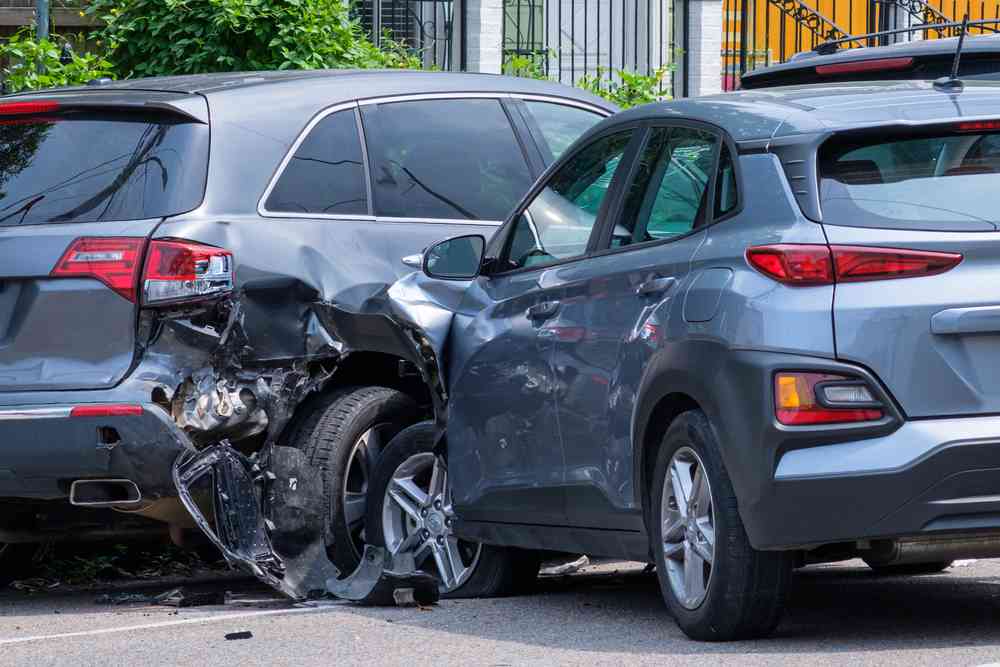
Car accidents happen for many reasons, but certain driving behaviors cause thousands of crashes across DFW each year. Here are three common factors that continue to contribute to crashes across the region.
Speeding and Unsafe Speeds
DFW has many highways, frontage roads, and major arterial streets where traffic regularly moves at higher speeds. A driver may have only seconds to react when cars ahead suddenly brake or traffic starts backing up.
In 2025, speeding and unsafe speeds contributed to 18,396 crashes in Dallas and Tarrant counties. There were 201 fatalities, and 885 people suffered suspected serious injuries. Dallas County reported 128 deaths and 537 serious injuries, whereas Tarrant County reported 73 deaths and 348 serious injuries.
The speed of the crash also affects how serious an injury can be. A collision at a lower speed may cause minor injuries, while the same collision at a much higher speed can leave someone seriously hurt or even be fatal.
Distracted Driving
Phones are a major distraction, but they’re not the only ones. Eating, adjusting the navigation or other controls, and anything else that pulls a driver’s eyes or attention from the road can be enough to miss what is happening right in front of them. By the time they look up, the car in front may have stopped, or the light may have changed.
Distracted driving was linked to 12,974 crashes across Dallas and Tarrant counties last year. Tarrant County accounted for 7,387 of those crashes, about 1,800 more than Dallas County. It also had 204 suspected serious injuries. In comparison, Dallas County recorded 158 of these injuries.
Many of these crashes also resulted in less severe injuries. More than 5,800 suspected minor and possible injuries were reported across the two counties. Altogether, 31 people lost their lives.
Impaired Driving
Alcohol or drugs can slow reaction time, affect judgment, and make it harder to control a car, which is why even a short drive after drinking or using drugs can become dangerous.
In Texas, a BAC of 0.08 is enough for a driver to be considered legally intoxicated. But a driver doesn’t have to reach 0.08 to be impaired. Alcohol can begin affecting driving before that point, and Texas law also covers impairment caused by drugs.
The 2025 numbers show how many people were hurt in DUI crashes across Dallas and Fort Worth. Dallas had 875 crashes in 2025, and 42 people were killed. Fort Worth had 522 crashes and 19 deaths. There were also 94 suspected serious injuries in Dallas and 51 in Fort Worth. On top of that, the two cities reported 726 suspected minor or possible injuries.
What Should You Do After a Car Accident in Dallas-Fort Worth?
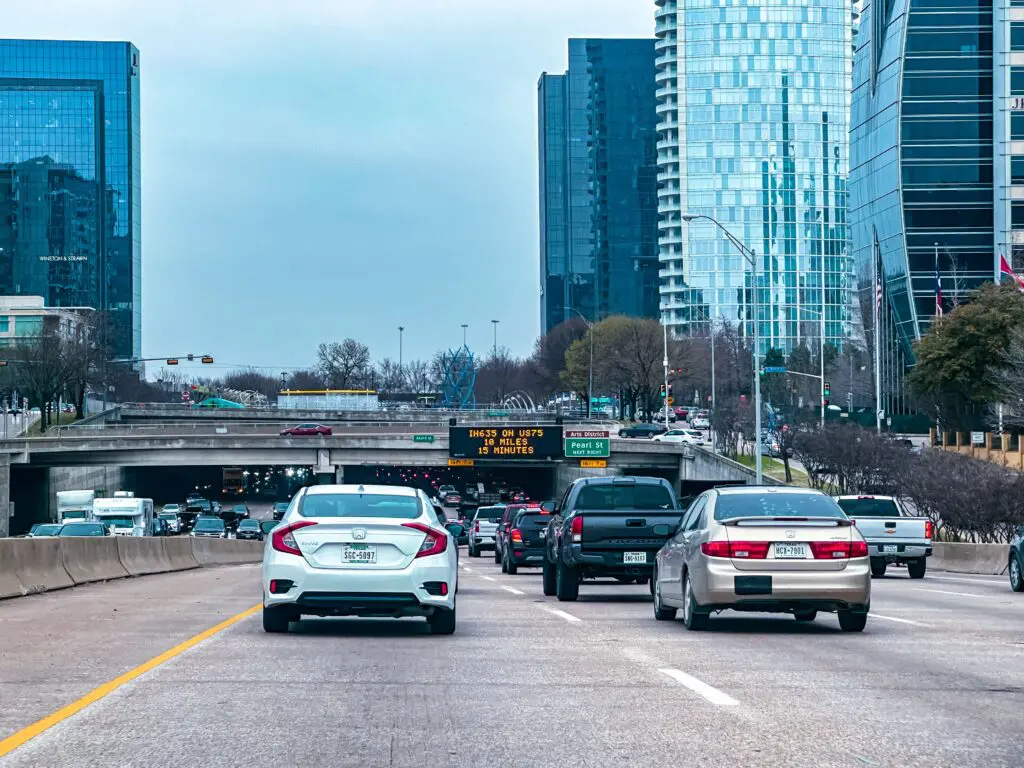
A car accident can happen in an instant, and many people immediately start worrying about insurance, damage to their car, or who was at fault. Here’s what to do next.
Get to a safe location and call 911 when needed
After a crash, take a moment to see where you are. Your car may have stopped in the middle of the road, or traffic may be passing right beside you, so make sure it’s safe before getting out.
If your car is drivable, pull over safely and turn on your hazard lights. Call 911 for crashes involving injuries, serious vehicle damage, or anything left in the road that could put other drivers at risk.
Check yourself and others for injuries
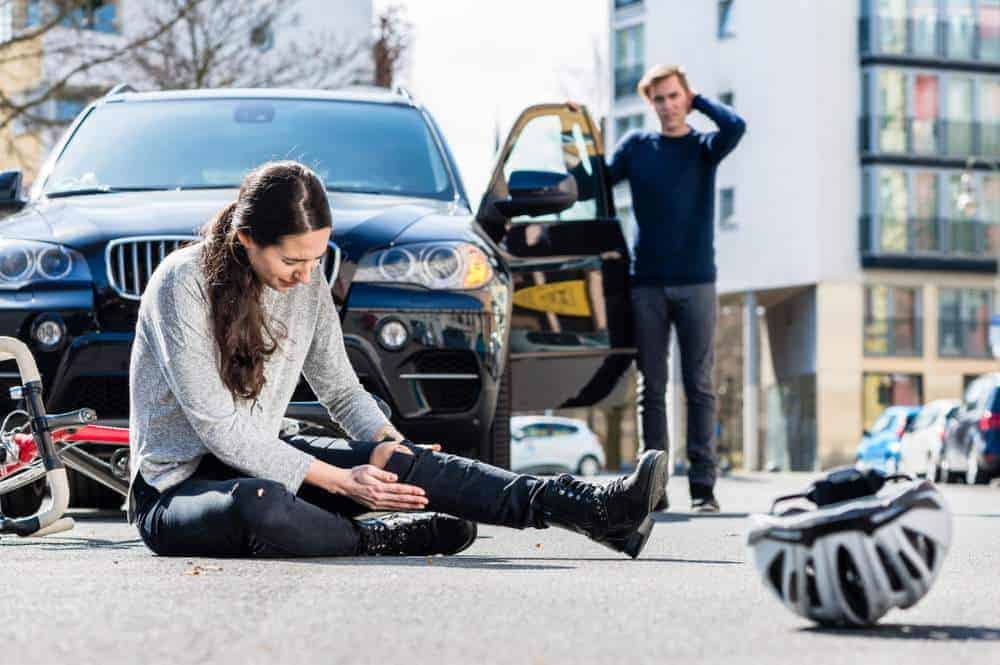
Does your neck hurt? Are you feeling lightheaded?Ask your passengers how they’re feeling too. Sometimes an injury doesn’t really show itself until the adrenaline wears off.
Exchange Information With the Other Driver
Emotions can run high after a crash, so try to avoid getting into who did what at the scene. Exchange the information you need, including names, phone numbers, driver’s license details, insurance information, and details about the vehicles, and leave the question of fault for later.
Document the Crash Scene if It’s Safe to Do So
If you can safely do so, photograph the damage to both cars, their license plates, and any broken glass, debris, or skid marks on the road. Step back and take a few wide shots too, so you have a record of where everything was. Note the time, location, and weather as well.
Get the Appropriate Police/Crash Report Information
According to TxDOT’s guidance for drivers after a crash, you should always call the police in these situations:
- A crash involving an injury or death
- A vehicle that cannot be moved
- Suspected intoxication
- An uninsured driver
- A driver who leaves the scene.
If police investigate the crash, ask which agency responded and get the report number before you leave the scene. The investigating officer may complete a Texas Peace Officer’s Crash Report, known as a CR-3, and submit it to the state. You can later request a copy through TxDOT’s crash report records page. Drivers don’t fill out the CR-3 themselves.
If police are not called or do not investigate, there generally won’t be an official CR-3, and Texas no longer keeps driver-filed CR-2 reports either. That doesn’t necessarily prevent you from filing an insurance claim, but you’ll have less independent documentation of what happened. That makes your photos, witness information, and the details you exchanged with the other driver especially important.
Seek Medical Evaluation for Injuries or Symptoms
Even with a seat belt on, the sudden stop in a crash can jerk your neck and back, bruise your body, or cause your head to hit something. You might feel sore or stiff afterward, or notice a headache, dizziness, or numbness.
It’s always worth getting checked out if something hurts or doesn’t feel right, even if you felt fine at first. Heavy bleeding, trouble breathing, or losing consciousness are more serious and may require emergency care.
Continue Monitoring for Symptoms That Can Develop Later
Some symptoms may become more noticeable in the hours or days after a crash, so keep paying attention to how you feel. See a doctor if you develop new or worsening symptoms, such as severe headaches, dizziness, numbness, or changes in your balance or vision.
Keep Medical and Accident-Related Documentation Organized
Between doctor visits, insurance calls, and everything else going on after a crash, it’s easy to lose track of paperwork. Keep one folder for everything related to the accident, and add your medical records, prescriptions, crash report, photos, treatment instructions, and insurance messages as you receive them.
For a more detailed walkthrough, read our guide on what to do after a car accident in Texas.
When Should You See a Doctor After a Car Accident?

You should seek medical attention as soon as possible after a car accident, even if you feel fine at first. While some injuries are immediately noticeable, others, particularly those affecting the neck, back, or head, may take hours or even days to produce symptoms.
You should see a doctor if you notice:
- Pain or stiffness that doesn’t improve or keeps getting worse
- Headaches, dizziness, confusion, or nausea
- Numbness or tingling in your arms, hands, legs, or feet
- Trouble turning your neck or moving normally
- Swelling or pain that makes it difficult to stand, walk, or put weight on an injured area
- New symptoms that show up hours or days after the crash
Not every injury after a car accident needs the same level of care. You may have neck or back pain that needs a doctor’s evaluation, but otherwise feel stable. In that case, you can schedule an injury evaluation and take things from there based on what your doctor finds.
Note: Don’t wait for an appointment if your symptoms are more serious. Trouble breathing, heavy bleeding, passing out, or severe confusion need immediate medical attention. Call 911 or go to the ER in these situations.
Common Injuries After a Car Accident and Treatment Options
Car accidents can cause injuries ranging from muscle strains to fractures and head injuries. The right treatment depends on the type and severity of the injury, and some patients may benefit from care across multiple specialties. The table below highlights several common accident injuries, symptoms to watch for, and treatment options that may be considered after evaluation.
| Injury | Symptoms to Watch For | Potential Treatment |
| Whiplash and neck injuries | Neck pain or stiffness, headaches, shoulder discomfort, reduced range of motion | Chiropractic care and active rehabilitation may be considered for certain musculoskeletal and mobility issues. |
| Back and spinal cord injuries | Back pain, stiffness, numbness, tingling, limited movement, radiating pain | Treatment may include pain management, chiropractic care, rehabilitation, or neurological evaluation depending on the injury. |
| Concussions and head injuries | Headache, dizziness, confusion, nausea, memory problems, vision changes | Ongoing symptoms may require neurological evaluation and follow-up care. Severe neurological symptoms require emergency attention. |
| Fractures and joint injuries | Swelling, bruising, joint pain, reduced range of motion, difficulty bearing weight | Orthopedic care may be appropriate for fractures and other musculoskeletal injuries, followed by rehabilitation when appropriate. |
Car Accident Injury Care Is Coming to Garland
A car accident can leave you dealing with pain for days or weeks afterward, and sometimes one doctor isn’t enough to address everything that’s going on. You may need different types of care during your recovery, depending on where you were injured and how your symptoms develop.
ProCare Injury Specialists will soon offer that care closer to home for people in Dallas-Fort Worth. Our new Garland location is slated to open in November 2026 and will focus on treating people recovering from car accidents and other injuries. It will bring ProCare’s multidisciplinary model to North Texas, so patients can have their injuries evaluated and receive the care they need as they recover.
ProCare offers pain management, chiropractic care, orthopedics, neurology, and rehabilitation for accident-related injuries. This makes it easier to receive different types of treatment as part of the same care plan.
As you recover, your treatment can be adjusted based on how your injuries are healing and what kind of care you need next. ProCare also accepts PIP (Personal Injury Protection) coverage and works closely with attorneys when needed to help patients maintain the medical records and documentation that may be required throughout the claims process.
Dallas Car Accident FAQs
How many car accidents happen in Dallas each year?
The latest Dallas car accident statistics from TxDOT show that 24,677 crashes were reported in the city in 2025. The number varies from year to year, but thousands of crashes occur across Dallas annually, ranging from minor collisions to crashes involving serious injuries or fatalities.
What are the leading causes of car accidents in Dallas?
Speeding, distracted driving, and impaired driving are the top three causes that contribute to crashes in Dallas and across the DFW metropolitan area. Drivers may also cause accidents by following too closely, failing to yield, running a red light, or making unsafe turns.
What are the most common injuries after a car accident?
Car accidents can cause whiplash, neck and back injuries, concussions, fractures, joint injuries, and muscle strains. The injuries you experience can depend on the type of crash, the force of the impact, and where your body was hit or moved during the collision.
Should I see a doctor even if I feel okay after a crash?
Yes. Some car accident injuries may not cause pain or other symptoms right away. Getting checked by a doctor can help identify an injury that may not have been noticeable immediately after the crash and determine whether you need treatment.
How long can it take for car accident injuries to appear?
Some injuries cause symptoms immediately, while others may take several hours or days to become noticeable. For example, neck and back injuries may start with mild soreness that becomes more noticeable the next day. The timing depends on the type of injury and how your body responds to the crash.
What type of doctor should I see after a car accident?
The right doctor depends on the type of injury and the care it requires. If you’re unsure where to start, an initial medical evaluation can help determine what should happen next. Read ProCare’s guide on what kind of doctor to see after a car accident for more information.