Traumatic Brain Injuries (TBI) are game-changers — not just for your clients’ health, but for their entire future. These cases demand more than routine medical care; they require sharp expertise, cutting-edge treatment, and rock-solid documentation to back up every claim. That’s where ProCare Injury Specialists comes in. We’re here to help your clients heal — and to give you the clinical support needed to help your clients (our patients) on their road to recovery.
Every year in the U.S.*, TBI leads to:
2.53M
ER Visits
214,110
Hospitalizations
69,473
Deaths
TBIs are more common than many may realize — and their invisible symptoms often make them harder to diagnose.
The Basics of TBIs
Described as a brain injury or head injury, a TBI is an alteration in brain function caused by an external force.
Even a small bump can lead to a range of symptoms:
Cognition: memory, planning, processing speed
Oculomotor: vision tracking, screen tolerance, light sensitivity
Affective: mood swings, depression, anxiety, suicidality
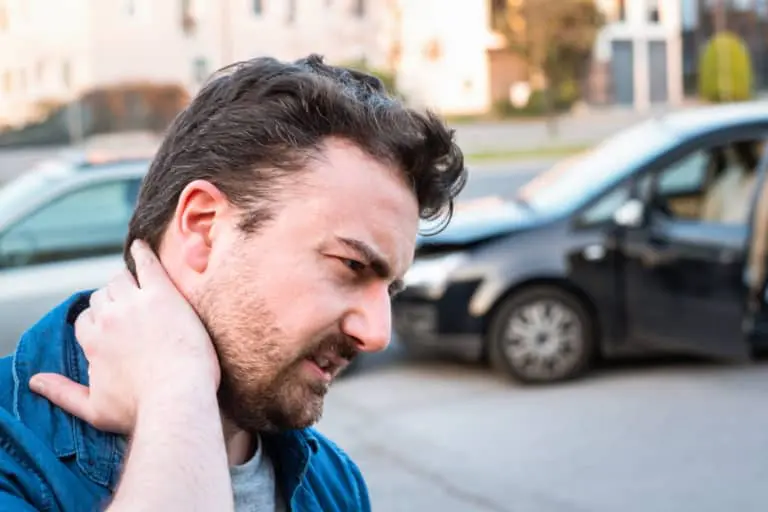
Cervical Spine: whiplash-related headaches and neck pain
Vestibular: dizziness, vertigo, balance issues
Cardiovascular: altered heart rate, fainting upon standing
Symptoms are multi-systemic — reinforcing the link between diverse complaints and a single traumatic event.
What constitutes a TBI
Used mostly in emergency rooms, doctors use the Glasgow Coma Scale (GCS) to assess the patient’s level of consciousness and brain function to determine the severity of the brain injury. They test basic functions like eye opening, motor response, and verbal ability.

Concussions = Mild TBIs: GCS score of 13–15, but standard imaging often fails to detect them
Primary Injury
Occurs at the moment of trauma (impact, whiplash, blast waves)
Secondary Injury
Can appear days to months later, triggered by blood vessel changes, microvascular injury, and molecular cascades
Objective tests strengthen cases — especially when standard scans appear normal.
Diagnostics for Your Brain
To understand your TBI, we use advanced tools, including:
Imaging
MRI + DTI: Detects microbleeds, white matter disruption, volumetric brain changes — becoming the standard of care
CT Scans: Quick, good for blood/bone, poor for subtle injury
Functional MRI & PET: Still research-based, but promising
Other Tools
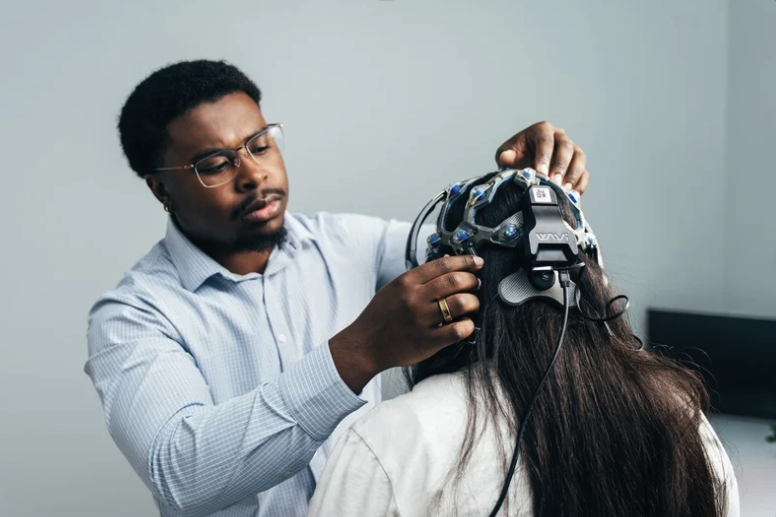
EEG / ERPs: Show slowed brain processing (P300 marker)
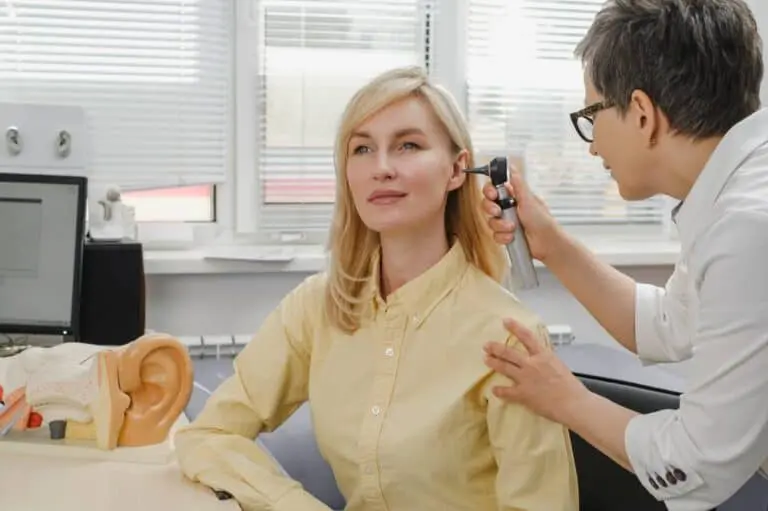
Oculomotor Motor Testing (ENG/VNG): Detects real-time eye movement abnormalities
Biomarkers (GFAP, UCH-L1): Blood-based evidence of brain injury within 12 hours
ProCare’s Approach
- Brief 24–48 hour rest, then gradual return to activity.
- Routine follow-ups to keep patients on track
- Early, targeted interventions
Old School TBI Management
- Days to weeks of extended rest
- Follow-ups rarely happen
- Not much structured help
TBI Care, Reimagined
Personalized Recovery Plans
We tackle each symptom head-on.
Headaches: Physical therapy, medication, lifestyle adjustments
Sleep Solutions: Sleep hygiene tips, personalized strategies
Balance & Vision: Vestibular rehab, specialist referrals
Mind & Mood: Therapies like CBT, counseling, and helpful medications.
Post-Concussive Syndrome: You’re Not Alone
If symptoms persist beyond three months, it’s Post-Concussive Syndrome (PCS). While most recover sooner, some experience lingering issues like headaches, dizziness, and memory problems. The good news? These are well-known symptoms, and understanding them can be a huge relief for patients.
2 weeks
Typical recovery time period
>3 months
Symptoms may still persist
15%
Cognitive issues last a year+
Ongoing PCS can affect employment, quality of life, and long-term damage claims.
TBIs are common, complex, and often underdiagnosed.
Standard imaging misses many mild cases; advanced tools like MRI-DTI and EEG provide stronger evidence.
PCS can extend damages well beyond initial treatment windows.
Attorneys must be ready to translate medical complexity into legal advocacy with the right experts and documentation.
At ProCare Injury Specialists, we’re committed to providing integrated, evidence-based care to improve patients’ diagnosis, treatments, and overall prognosis after a TBI.
Let’s get your clients’ brain power back on track!
*Estimates from The Centers for Disease Control and Prevention (CDC) based on the most recent data.